The Wooden Board Looked Great. Then the Customer Photos Arrived.
A cracked board or a rough spoon creates more than a return. Here are the checks worth discussing before your wooden kitchenware order leaves the factory.
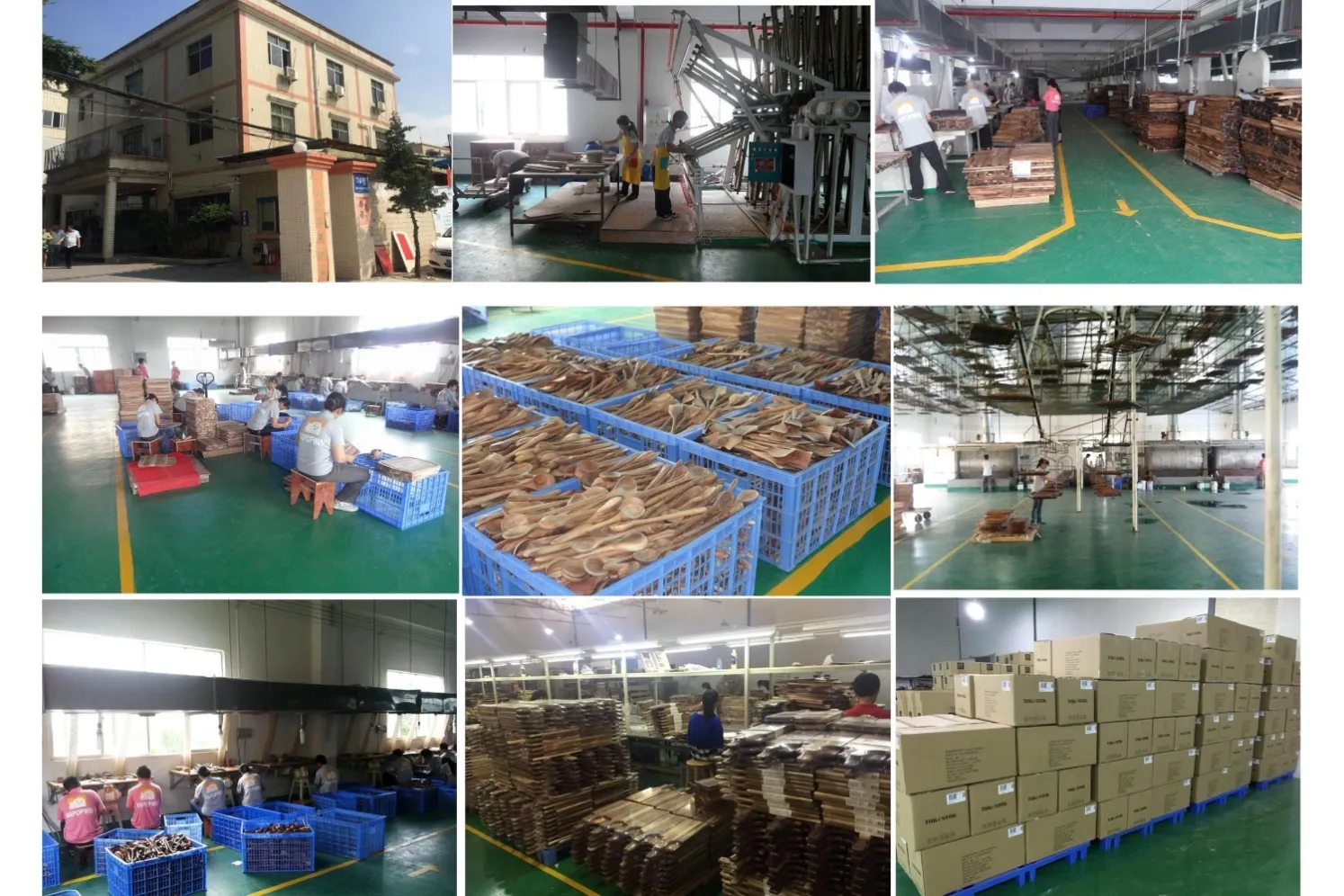
One of my American clients had to transfer their orders to other countries due to cost issues. A few days ago, this client—who hadn’t placed an order with me in a long time—suddenly contacted me to discuss the product quality issues they’re currently facing.
Just imagine: Your newly launched line of wooden kitchenware has arrived. The product photos look great, the shelves are all set up, and the first batch of orders is about to ship.
Then a customer sends a close-up of a crack. Another says their board rocks on the counter. Someone else has found a rough edge on a spoon.
Now your team is checking stock, arranging replacements and trying to work out whether this affects one item or the whole batch. That is a lot of work behind a short message saying, “Please refund me.”
Ask what gets checked, and how
“Good quality” is reassuring, but it does not tell you much about the order you are buying.
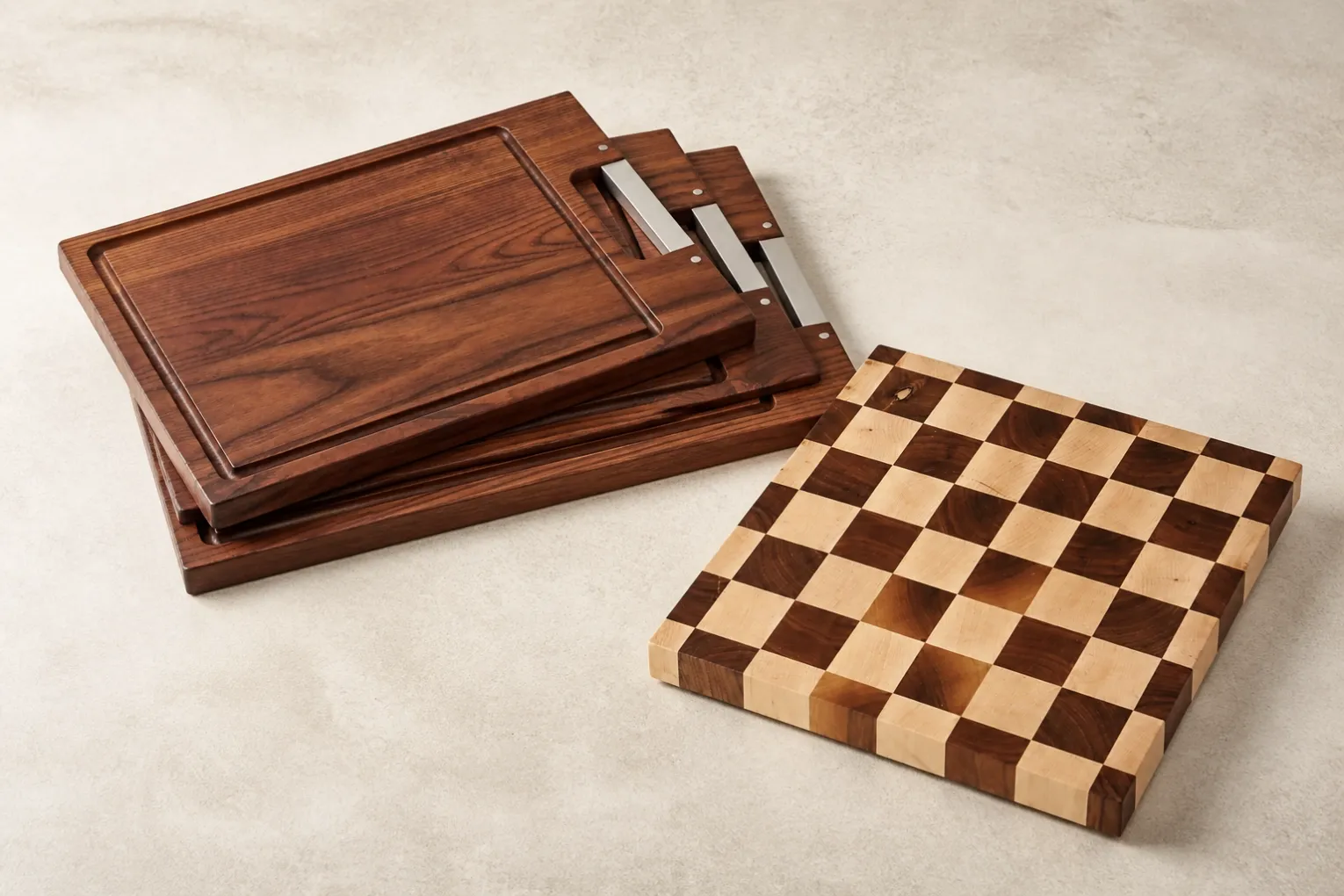
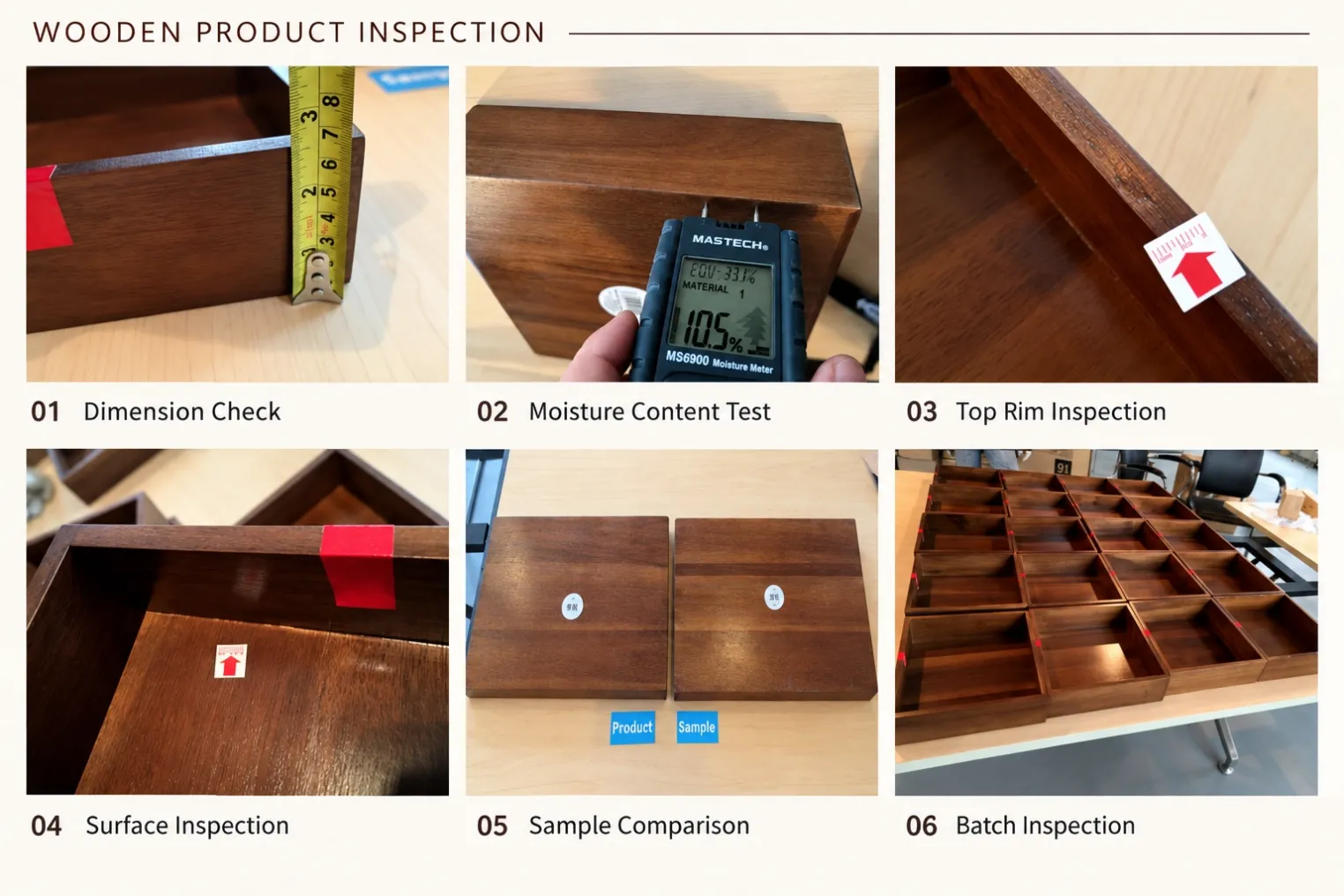
Before production, agree on a short inspection list. For cutting boards, that might cover visible cracks, glue joints, flatness, edges and handle fittings. For utensils, include the bowl, slots, tips and the surfaces someone will hold.
Ask how these checks will be carried out, how items will be sampled and what happens if something fails. Request photos from the actual order, including close-ups of the areas you care about.
Give moisture and packing their own conversation
Wood responds to moisture in its surroundings. Drying, handling and storage all matter; a surface coating does not completely stop that movement. The USDA Wood Handbook explains why these stages belong in the same discussion.
Ask how moisture is checked before packing and how goods are protected during storage and transport. Include visible mold, unusual odor and damp or damaged packaging in your receiving checks. Agree on a hold-and-review process for suspect goods rather than assuming a quick wipe solves the problem.
Help the customer use it properly
A care card should explain cleaning, drying, storage and any maintenance appropriate to that specific finish. Have those instructions confirmed for the product you are buying.
You cannot promise that a natural material will never change. You can make the quality expectations clear before an order becomes hundreds of individual customer experiences.
Are you planning a wooden kitchenware order? Tell us which product you are considering and which quality concerns matter most to your customers. Include them in the brief from the start.