Are Olive Wood Utensils Worth Buying?
Discover what to look for in olive wood utensils, from natural grain and craftsmanship to cleaning, oiling, and choosing pieces that suit everyday use.
Are olive wood utensils worth buying? From selection to daily use, let's talk about the things you might care about
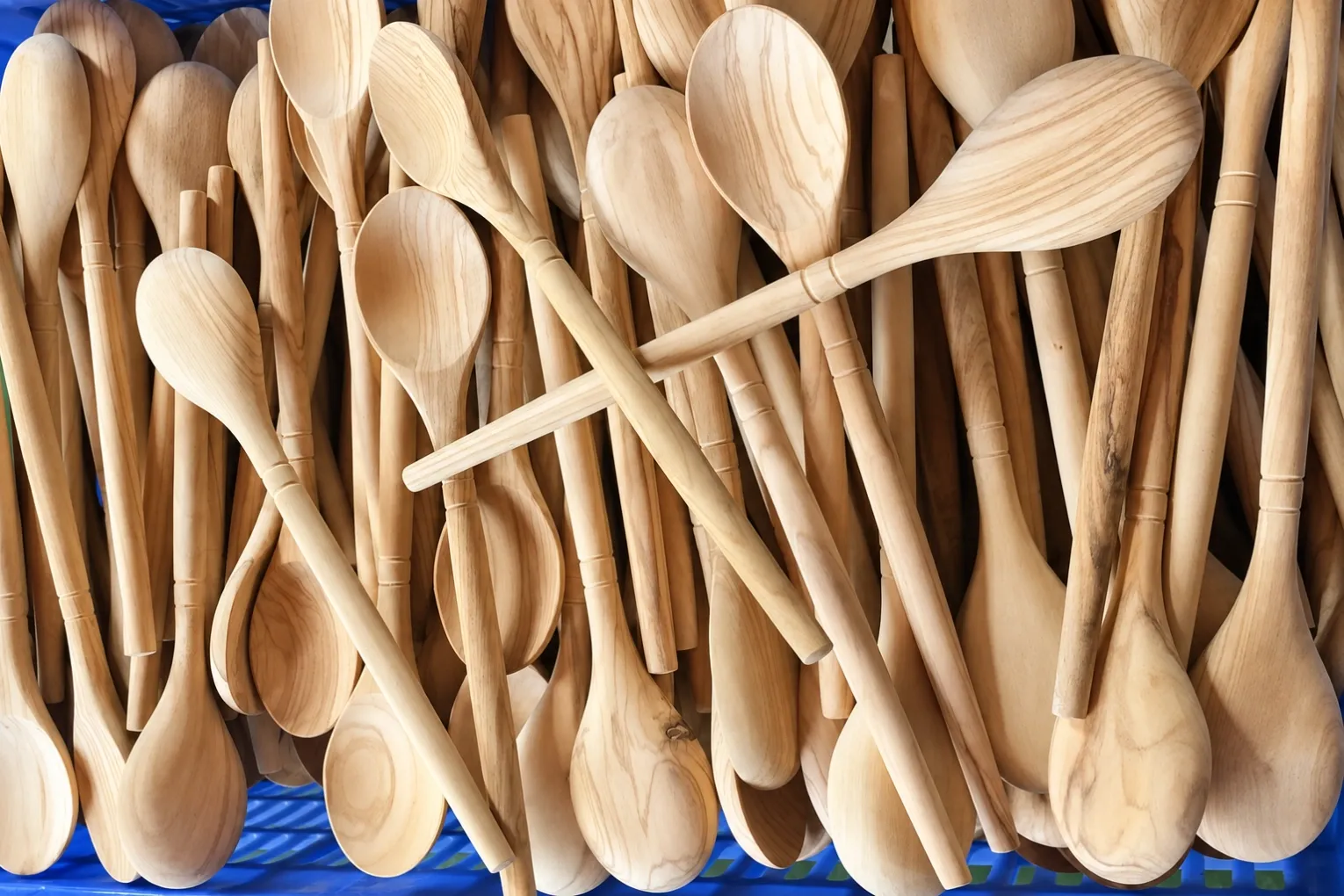
When choosing utensil, some people focus on its practicality, while others are attracted by its appearance. Olive wood utensil is likely to catch your eye: the warm wood color, the interwoven patterns, even for the same style, it ishard to find two pieces with exactly the same texture.
But utensil is ultimately for use. Beyond the appearance, many people also care about: is it comfortable to use? Is cleaning troublesome? Will it crack? It's more expensive than ordinary utensil, is it worth it?These questions are best understood before purchasing.
First, think about what you plan to use it for.
When looking at product photos, we are easily drawn to a complete set of utensils. But after actually buying it and using it at home, the item that is used most frequently might only be one or two pieces.
If you often make salads, a set of salad spoons and forks with the right size would be more practical. When choosing, pay attention to whether the handle length matches your salad bowl and whether the spoon surface is convenient for holding ingredients and grasping when picking them up.
For daily dining spoons or forks, you need to pay more attention to the area that comes into contact with the lips. If the spoon mouth is too thick or the edge is not finely polished, it will affect the usage experience. When using it for children, you also need to further confirm the size, design and product instructions.
Wood bowls and plates for fruits, nuts or bread can consider the capacity and placement method. The bowls and plates shown in the photos may seem very large, but in reality, they might only be suitable for serving small portions for one person. Before placing an order, confirm the size and compare it with the existing utensils at home to be more confident. After clarifying the purpose, it's usually easier to choose the style.
The natural texture is worth appreciating, and the workmanship is also worth paying attention to.
The color and patterns of olive wood utensil vary, and the same product may have different shades. People who like natural wood often enjoy this variation. However, natural differences and processing defects need to be viewed separately.
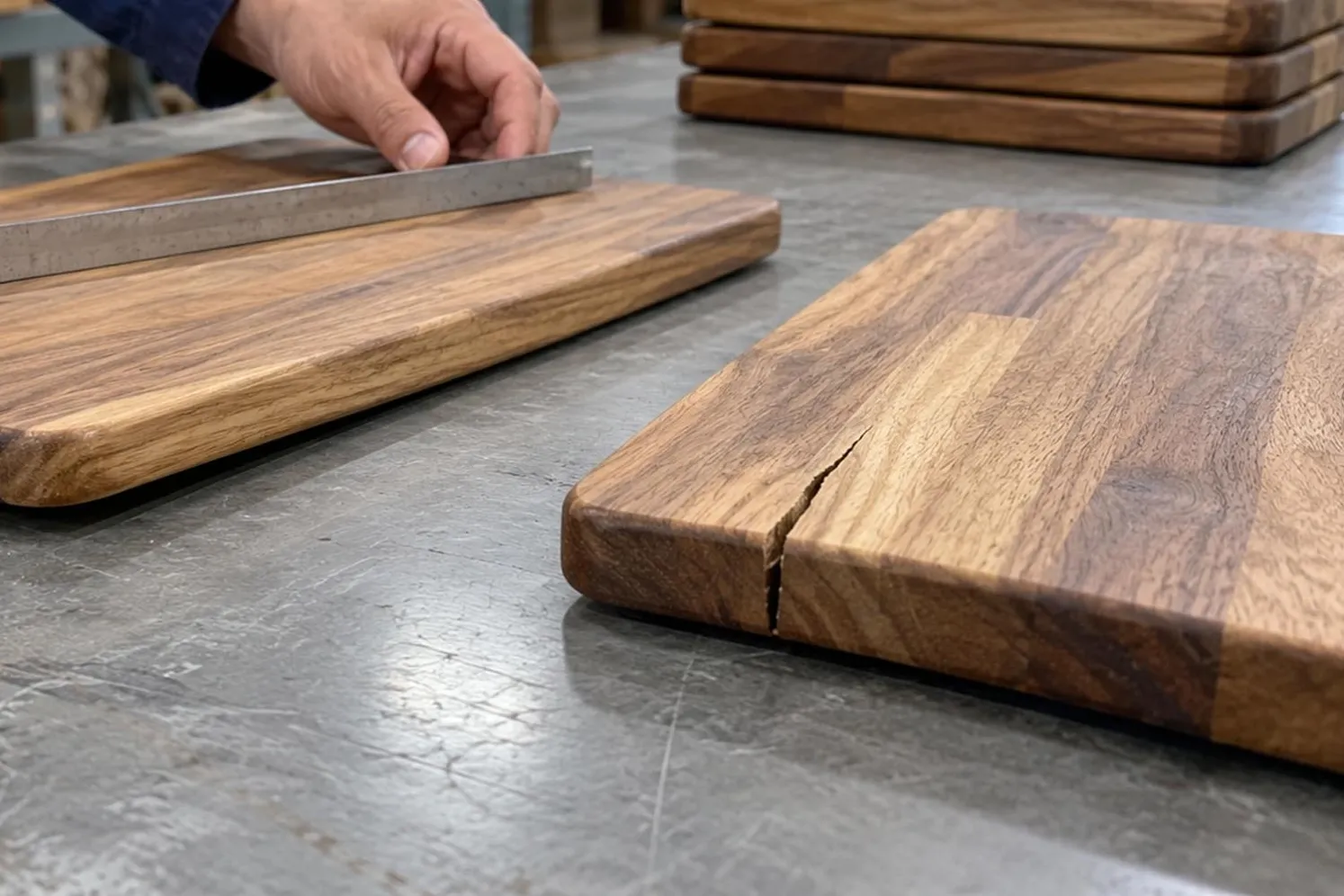
Something with a darker color and asymmetrical patterns usually belongs to an appearance change; edges with burrs, rough fork teeth, and obvious cracks on the surface require further confirmation. When purchasing, don't just look at the staged photos; you can also take close-up photos of the edges, the back, and the connection between the handle.
Take the wooden spoon as an example. Whether the inner side of the spoon surface is polished evenly, the transition of the spoon mouth is natural, whether the handle has any uncomfortable positions, are all practical observation points. After receiving the product, clean it according to the product instructions, then check the surface and edges again. If you find obvious cracks, loose or easily falling wood spines, contact the seller to confirm the handling method.
Regarding food contact, it's worth asking more specifically.
When purchasing olive wood utensil, many people will ask: "This is natural wood, should we be able to use it with confidence?" In fact, in addition to the wood itself, you should also understand what treatments the finished product has undergone.
For example, is the product made from a single piece of wood or is there any splicing? What kind of care oil or coating is applied to the surface? Are there any glued or filled areas? These information can be asked from the seller. If you are particularly concerned about the food contact information, you can further learn if there are test documents applicable to this product.
Similarly, a shiny surface cannot directly determine the quality of the coating; the intensity of the smell cannot be used as the sole basis for safety. Sellers can clearly explain the material, surface treatment and usage method, making the purchase decision more solid.
Daily cleaning is not complicated, but it requires the formation of a few habits.
Olive wood utensil usually needs to be hand-washed, avoid washing machines and long-term soaking. Some brands' care instructions also emphasize that after cleaning, it needs to be fully dried and use the appropriate care oil as required.
For daily use, you can remember the steps simply: clean after use, wipe off the water, dry it in a ventilated place, and store it after it is completely dry. If placed in a utensil holder, the bottom of the holder should remain dry. After wiping the surface, the bottom of the handle, the concave area of the spoon, and other positions should also have the opportunity to dry. When storing, avoid leaving the wooden utensil in contact with damp cloths or the edge of the sink for a long time.
These practices do not require a lot of time, but they are indeed different from the habit of "putting all the utensils in the dishwasher". Before purchasing, consider this point and it will be easier to use later.
When it's time to apply oil, a small amount and evenly is sufficient.
The care oil should be selected based on the surface treatment of the product, using a care product that is suitable for food-contact woodenware and compatible with the product's treatment method. Before operating, the utensil should already be clean and fully dried. Apply the care oil thinly according to the instructions, then wipe off the excess. There is no need to repeatedly apply a thick layer to make the wood grain brighter. If there is obvious oil residue on the surface after care, it will also affect the ease of taking and using.
Some guests may ask how often to care for the tableware. We don't need to mechanically follow fixed dates. The number of uses, cleaning frequency, and storage environment are all different, and can be judged based on the product instructions and the condition of the surface.
Whether the price is worth it depends on the details.
When comparing olive wood utensil, it's difficult to determine why two products have different prices just by looking at the name and photos.
The same spoon, including size, thickness, the curvature of the spoon surface, the grip of the handle, and the fineness of the edge polishing, all deserve to be compared together. Whether the packaging is suitable for giving as a gift, and whether the product information is clear, will also affect the overall purchasing experience.
If you are preparing to use the utensil at home for a long time, a spoon that is comfortable to hold, with a smooth spoon mouth, the right size, and often more satisfactory than a set with many but rarely used pieces.
Due to the scarcity and uniqueness of olive wood, olive wood utensil is more expensive, but it doesn't automatically mean it's suitable for you. Considering the purpose, workmanship, and care method can determine whether this money is worth it.
For the first purchase, start with one or two pieces.
If you haven't used wooden utensil before, we suggest not having to buy the complete set immediately.
You can first choose one or two products that you will use frequently, such as an eating spoon, a set of salad spoons and forks, or a wooden spatula. After using it for a while, you will be more clear about whether you like the touch of wood, whether you accept its cleaning method, and what size is most suitable for the dining table at home.
You can also observe your usage habits: do you like to clean after use? Do you have a ventilated and dry storage location? These small things will directly affect the experience after bringing home.
If you are looking for olive wood utensil suitable for daily dining, salad serving, or as a gift, please check our product series. If you have any questions about specific styles, sizes, or packaging, you can also contact us. First, understand clearly, and then choose the one that suits you.