You Like the Sample. Will the Bulk Order Match?
Worried your bulk order won’t match the sample? A manufacturer’s view on sample approval, wood variation, production details and packaging for wooden kitchenware.
You Like the Sample. Will the Bulk Order Match?
When a buyer tells us they are happy with a sample, the next question is often about the bulk order.
“Can you make the rest like this?”
It is a fair question. The buyer has one piece in front of them. They can feel the surface, check the shape and see how it looks in the packaging. What they cannot see yet is how the whole order will turn out.
From a manufacturer’s side, this is where the details need to become clear. The sample is the starting point. Before production, both sides need the same understanding of what makes that sample acceptable.
A good sample needs clear production instructions
A buyer might like a wooden spoon because the handle feels comfortable. They might choose a cutting board because of its thickness, rounded edges or particular color.
Those details can be easy to notice and surprisingly difficult to describe.
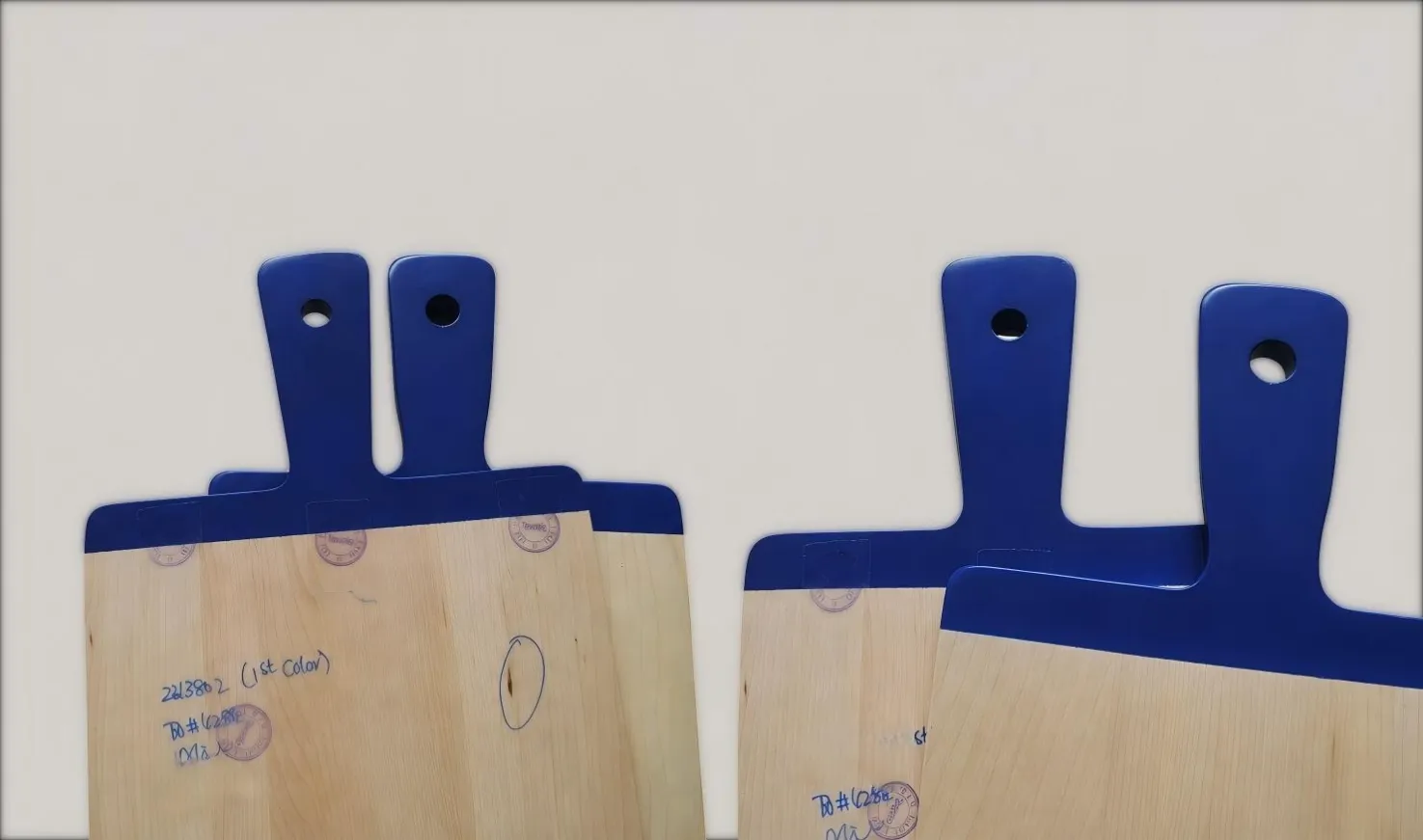
“Keep the same quality” does not tell the person doing the sanding which edge needs extra attention. “Use the same color” leaves room for different interpretations, especially with wood.
The useful questions are more specific. Which dimensions matter most? How rounded should the edge be? What surface feel has been accepted? Where should the logo sit?
These are the details that need to travel with the order, from the person discussing the sample to the people making and packing the product.
We need to know which sample is the final one
During development, a product may change several times.
The first sample might be made to check the shape. The next might include a different finish. A later version may have the correct logo but still use temporary packaging.
By the time everything is agreed, there can be several samples and a long message history.
Before production, it helps to bring those decisions together: the final sample, its approval date, the agreed specifications and anything that still needs changing.
A message such as “The shape is approved, but please use the finish from the second sample” makes sense during a conversation. It needs to become one clear set of instructions before work starts.
Otherwise, two people can follow the same order and still be working toward different results.
Wood will have differences. Workmanship still needs a standard.
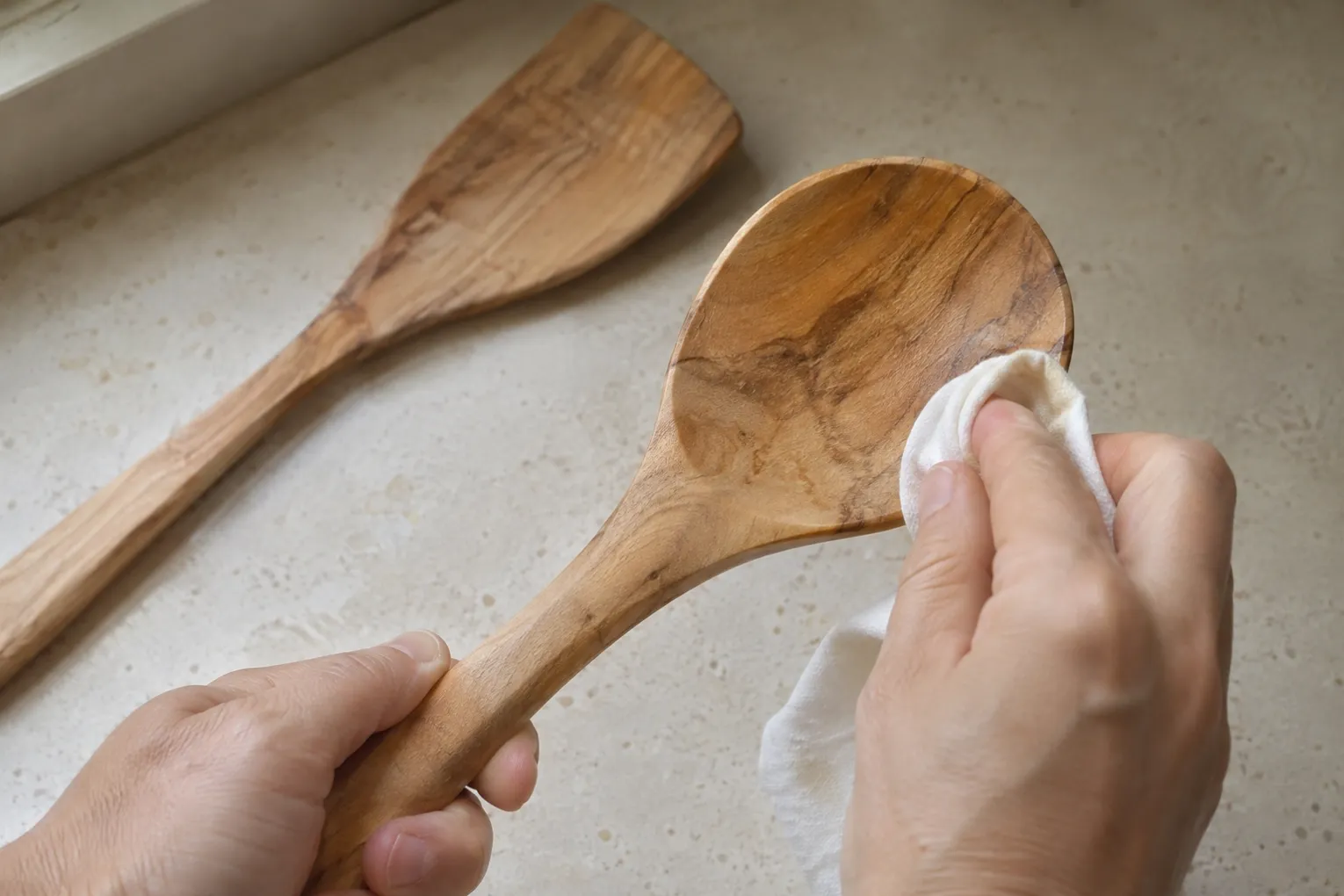
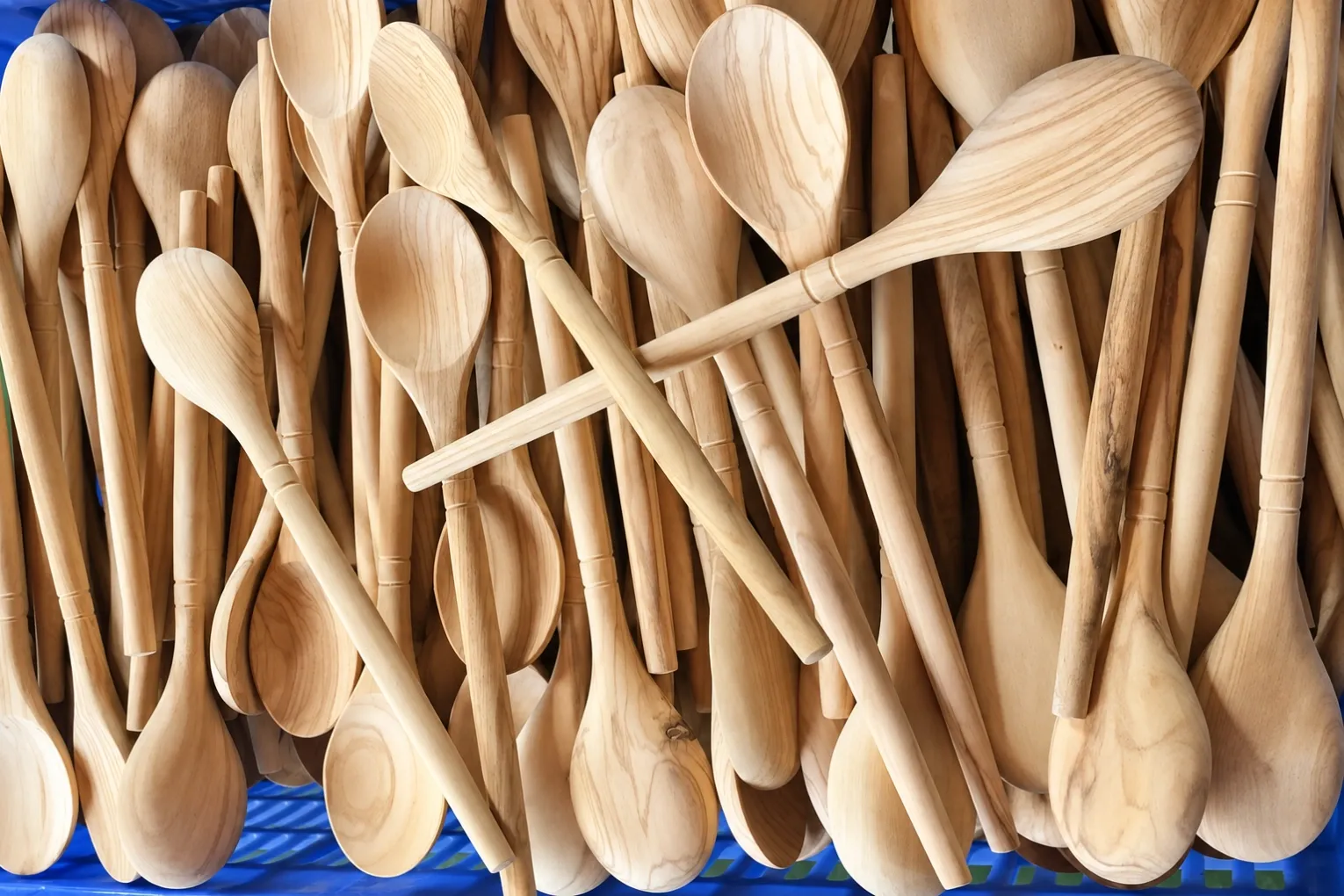
With wooden kitchenware, the grain and color will not be identical on every piece.
That matters when discussing the sample. One board shows one piece of wood. It cannot show every variation that might appear across a larger order.
From a production perspective, it is useful to look at several representative pieces with the buyer. A lighter section or a stronger grain pattern may be welcome in one collection and unsuitable for another.
Matching sets need particular attention. A buyer may accept a range of shades across separate boards but prefer the utensils inside one gift box to look more closely matched.
This should be discussed before packing.
Natural variation also needs to be kept separate from workmanship. A different grain pattern does not explain a rough edge, a loose fitting or a dimension outside the agreed tolerance. Those need their own acceptance requirements.
Some details deserve a closer look
When checking a sample, it is natural to focus on the overall appearance. In production, the less noticeable areas matter as well.
On a wooden utensil, that may be the inside of a slot, the edge of the spoon bowl or the transition between the handle and the head. On a cutting board, it may be a corner, a groove, a joint or the area around a handle.
These are useful points to identify during sample approval. If a buyer has a particular concern, we would rather understand it before production than try to interpret it after the goods arrive.
Measurements need the same care. If a board must fit an existing retail box, the relevant dimensions and tolerances should be agreed. “About the same size” is not enough for that job.
Changes should be discussed while there is still time
An order can involve more than the wooden product itself. There may be engraving, labels, inserts, accessories and retail packaging to coordinate.
If a proposed change affects the approved product, it needs to be raised before it is used.
A different accessory may change how a set sits in its box. A packaging adjustment may affect the buyer’s presentation. A finish change may mean the original sample no longer represents the order.
The manufacturer may understand why a change seems practical. The buyer may have reasons for keeping the original detail that production cannot see—photography already completed, packaging already printed or a collection designed around a particular appearance.
That is why a substitution should never be treated as an unimportant detail simply because it is convenient to make.
The packed product is part of the approval
A finished board can look right on a workbench and still arrive in a presentation the buyer did not expect.
The logo may face the wrong way in the box. A set may contain the wrong combination of utensils. A label may carry an earlier product description.
Before shipment, the review should include the agreed packing arrangement as well as the product. The reference needs to be clear enough to check the item, the set contents and the packaging together.
Where inspection records or production photos are requested, the scope should be agreed in advance. Photos of the actual order can help with appearance checks, while dimensions and other requirements need their own agreed methods.
What we want the buyer to see when the cartons open
A buyer should be able to open the cartons and recognize the product they approved.
The wood grain may differ from piece to piece. The agreed shape, dimensions, finish, workmanship and packing should be clear enough that nobody has to guess what was intended.
For a manufacturer, the work between sample approval and shipment is about carrying those decisions through production. It takes clear references, practical instructions and communication when something needs attention.
The earlier those details are settled, the fewer surprises there are for the people making the order—and for the buyer receiving it.
Have a wooden kitchenware project in mind? Send us your product requirements, reference photos and the details you want to keep consistent. They are useful things to discuss while the sample is still on the table.