Sep 2, 2026
Private Label Wooden Utensil Sets: A Buyer Guide for Retail Brands
Learn how to develop private-label wooden utensil sets for retail brands, including material choice, set combination, logo, packaging, quality control, and buyer checklist.
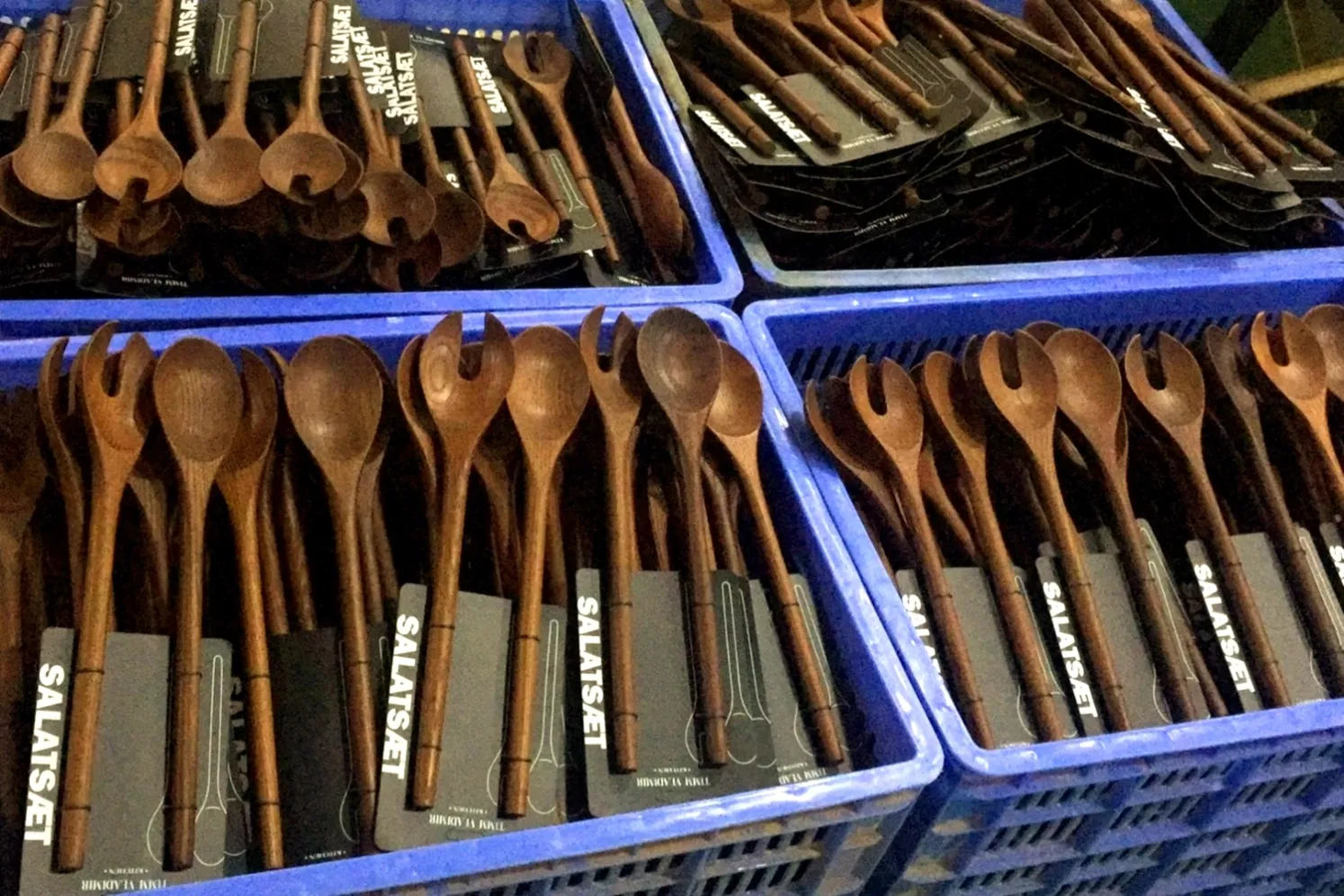
Private-label wooden utensil sets are a practical product category for retail brands, online sellers, gift companies, and homeware buyers. They are useful, easy to bundle, and suitable for different price ranges.
However, a successful utensil set requires more than choosing several spoons and spatulas. Buyers need to consider material, set combination, finish, handle comfort, packaging, logo placement, and quality control.
This guide explains how to plan private-label wooden utensil sets for retail programs.
1. Define Your Target Customer
Before choosing the product, define who will buy it. A utensil set for supermarket retail may need simple packaging and competitive pricing. A set for gift channels may need a stronger box design and better presentation.
For online sales, product photography, packaging, and clear product information are important. For private-label retail, consistency and repeat-order stability matter.
Knowing the target customer helps you choose the right material, set size, and packaging style.
2. Choose the Right Material
Wooden utensils can be made from different materials, including beech, bamboo, acacia, olive wood, and other woods depending on product style and market needs.
Beech often gives a clean and simple appearance. Bamboo can work for lightweight and practical products. Acacia and olive wood can create a warmer and more giftable look.
The best choice depends on your price point, brand style, and product positioning.
3. Plan the Set Combination
A wooden utensil set can include spoons, spatulas, turners, ladles, salad servers, slotted spoons, tongs, and holders. Some sets may also include silicone parts, stainless steel handles, or storage containers.
For retail buyers, the set should feel useful, not random. Each piece should have a clear role in daily cooking or serving.
Common options include three-piece starter sets, five-piece cooking sets, seven-piece kitchen utensil sets, and gift sets with holders or packaging.
4. Check Handle Comfort and Surface Finish
Utensils are handled frequently, so comfort matters. Buyers should check handle thickness, balance, surface smoothness, and edge finishing.
A utensil may look good in photos but feel uncomfortable in real use. That is why sample checking is important.
Review whether the surface is smooth, whether edges are rounded, and whether the finish feels clean and suitable for kitchen use.
5. Add Logo and Brand Details
Private-label utensil sets usually need logo customization. Logo options may include laser logo on the utensil handle, printed logo on packaging, branded hang tag, care card, barcode label, or color box.
Logo placement should be clear but not distracting. For some utensils, packaging branding may be more practical than placing a logo on every piece.
Before bulk production, confirm logo size, position, artwork file, and sample appearance.
6. Design Packaging for the Sales Channel
Packaging can change how customers see the product. A simple sleeve may work for basic retail, while a gift box may work better for premium sets.
Common packaging options include kraft box, color box, window box, belly band, hang tag, care card, and barcode label.
For retail programs, packaging should protect the product, show the set clearly, and communicate brand value.
7. Prepare a Quality Control Checklist
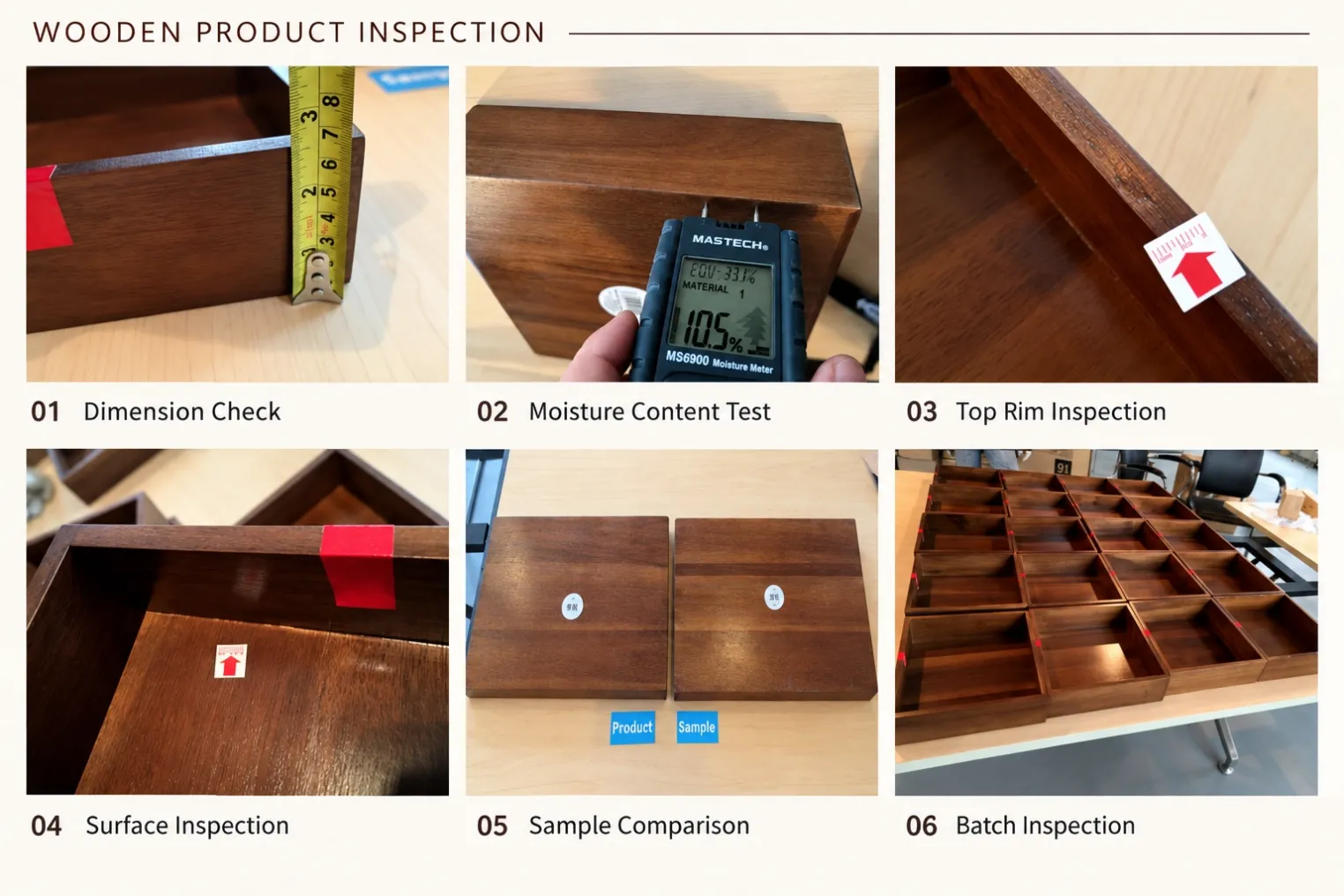
For wooden utensil sets, quality control should cover size, shape, sanding, finish, handle comfort, logo accuracy, packaging accuracy, carton strength, cleanliness, and set completeness.
If the set includes multiple pieces, check that each set contains the correct items and that packaging labels match the product.
This is especially important for private-label orders because wrong labels or missing pieces can create retail problems.
FAQ
Can wooden utensil sets be customized for private-label brands?
Yes. Wooden utensil sets can often support logo customization, custom packaging, hang tags, care cards, barcode labels, and product bundles.
What material is best for wooden utensils?
The best material depends on your market and product style. Beech, bamboo, acacia, and olive wood can all be used for different retail positions.
How many pieces should a wooden utensil set include?
Common options include three-piece, five-piece, and seven-piece sets, but the best choice depends on your target price point and customer needs.
Final Thoughts
Private-label wooden utensil sets can be strong retail products when the material, design, packaging, and quality control are planned carefully.
If you are building a wooden kitchenware collection, Napop Win can help discuss utensil set options, packaging ideas, samples, and wholesale order support.