Food-Safe Finishes for Wooden Kitchenware: What Buyers Should Know
A buyer guide to food-safe finishes for wooden kitchenware, covering surface feel, oiling, coating, care instructions, samples, documentation, and quality checks.

For wooden kitchenware, surface finish is more than appearance. It affects touch, color, durability, cleaning, packaging presentation, and customer confidence. Wholesale buyers should understand finish options before ordering cutting boards, utensils, trays, cheese boards, mills, or bowls. The right finish depends on product use, target market, and buyer requirements.
1. Why Finish Matters
Wood is a natural material. Without proper surface treatment, the product may feel rough, absorb moisture too easily, or look unfinished. A good finish helps improve surface feel, highlight the wood grain, and make the product more suitable for daily kitchen use. For retail buyers, finish quality also affects product reviews. Customers often notice rough edges, uneven color, sticky surfaces, or strong odor immediately.
2. Common Finish Goals
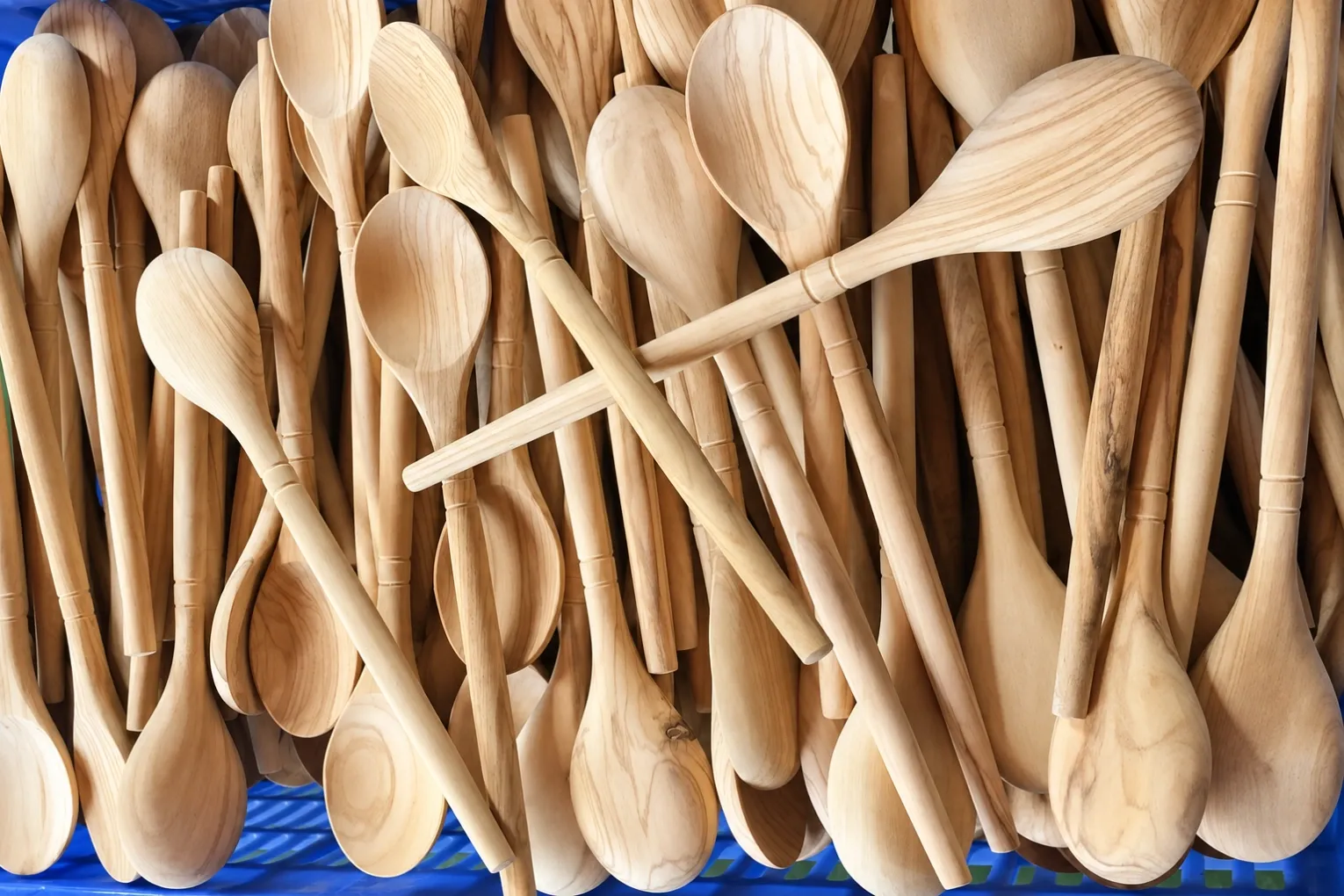
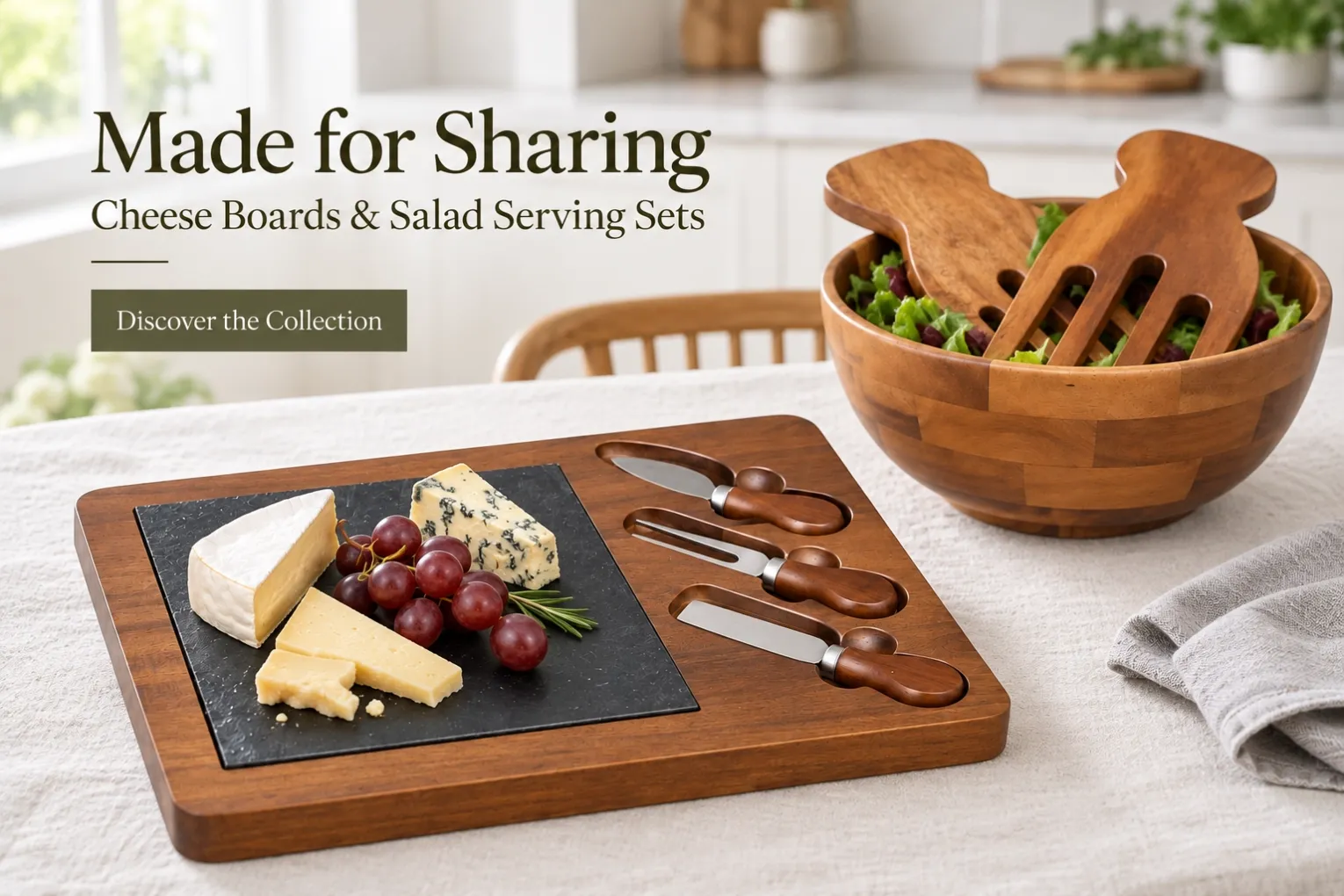
The goal is not always the same for every product. A cutting board may need a practical food-contact finish, while a serving tray may focus more on appearance and stain resistance. Wooden utensils need a smooth hand feel. Cheese boards need good presentation. Bowls need consistent finish inside and outside. Mills need both surface quality and functional assembly. Before ordering, define how the product will be used and what finish standard your market expects.
3. Ask About Food-Contact Requirements
If the product is intended for food contact, ask your supplier whether the finish is suitable for that purpose and what documentation can be provided for your target market. Different markets and buyers may have different requirements, so it is important to confirm standards before production. Do not rely only on product photos or general claims. For wholesale orders, finish requirements should be written clearly in the specification.
4. Check Samples Carefully
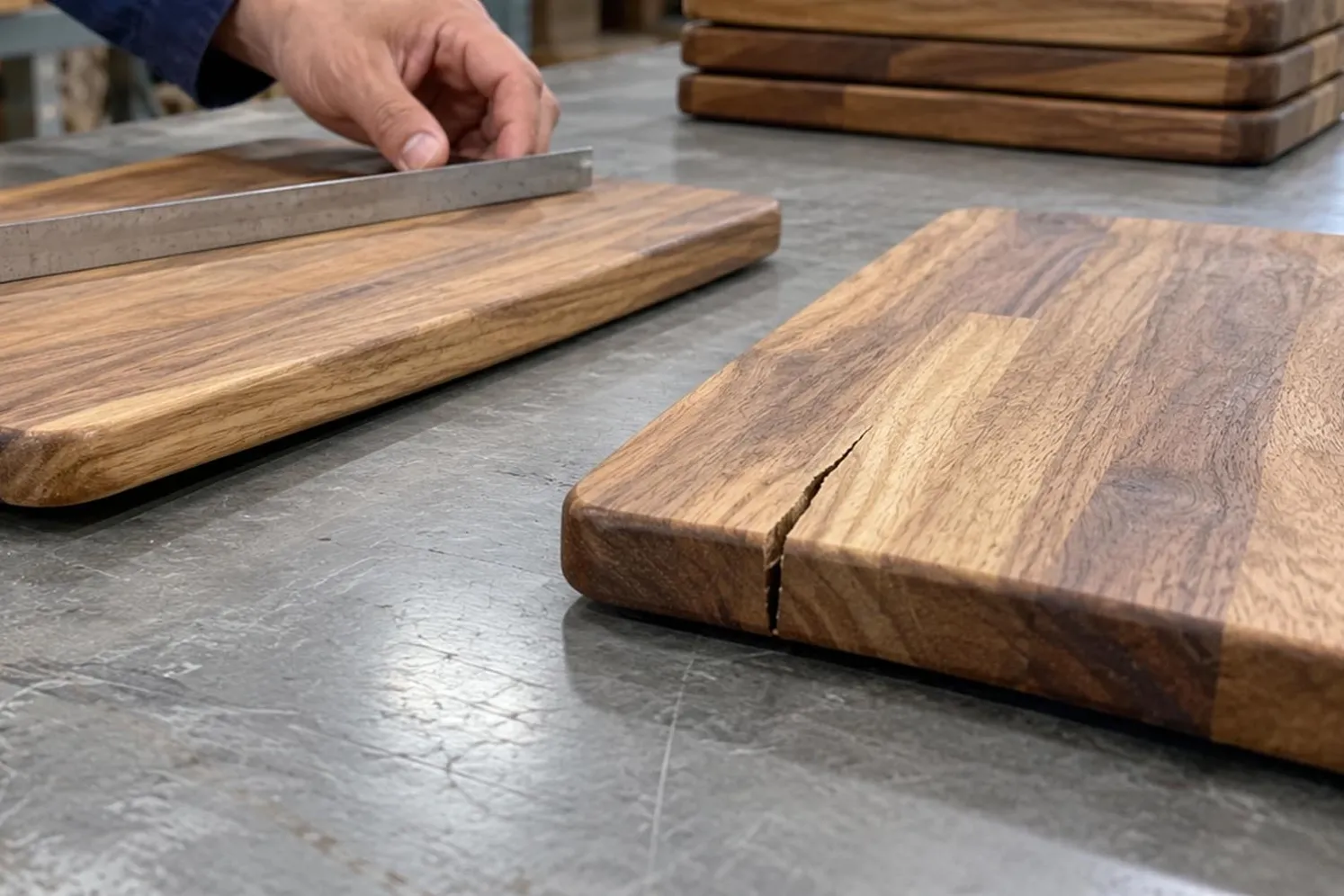
Samples are the best way to review finish quality. Check the surface under natural light and touch the product by hand. Look for rough spots, uneven coating, visible glue, strong odor, sticky feeling, sharp edges, sanding marks, or color problems. If the product includes logo customization, check whether the finish affects logo clarity.
5. Pay Attention to Care Instructions
Wooden kitchenware usually needs proper care. Buyers should consider adding care instructions to packaging, hang tags, or insert cards. Care instructions may explain washing, drying, storage, and maintenance. Clear instructions can reduce customer complaints and improve product experience. For private-label products, care cards can also make the product feel more professional.
6. Finish and Packaging Work Together
The finish should be considered together with packaging. A product with oil or surface treatment should be dry, clean, and protected before packing. Packaging should prevent scratches, moisture exposure, dust, and carton damage during transport. For giftable products, the surface finish and packaging should create the same quality impression.
7. Build Finish Checks Into QC
Quality control should include finish inspection. For wooden kitchenware, buyers can check surface smoothness, color consistency, smell, logo quality, edge finishing, cleanliness, and packaging condition. For products such as cutting boards and trays, also check flatness and stability. For utensils, check handle comfort. For bowls, check inside surface smoothness.
FAQ
What should buyers ask about wooden kitchenware finishes?
Ask whether the finish is suitable for the intended use, what documentation is available, how the surface is inspected, and how products are packed after finishing.
Why do wooden kitchenware samples matter?
Samples help buyers check touch, smell, color, sanding, logo quality, and packaging before bulk production.
Should wooden kitchenware include care instructions?
Yes. Care instructions help customers use and maintain the product correctly and can reduce complaints.
Food-safe finish is an important part of wooden kitchenware sourcing. Buyers should confirm finish requirements, review samples, check documentation needs, and include finish quality in inspection. If you are developing wooden cutting boards, utensils, trays, cheese boards, mills, or bowls, Napop Win can help discuss product options, packaging, and sample review.